This is a size question, so this page is sorted by size - largest first - rather than by price. Everything below is listed under $5,000 right now. The answer changes as inventory does, which is why it is computed rather than written down.
Computed from all 53,875 matching listings in our tracked inventory. We publish no price range for a set this large: the upper quartile sits deeper in the results than our inventory feed will return, and we would rather show no range than one measured from a position we could actually reach. The median above is a real, reachable figure. Both types are included: 36,521 natural and 17,354 lab-grown. The 12 shown below are 8 natural and 4 lab-grown, each labelled.
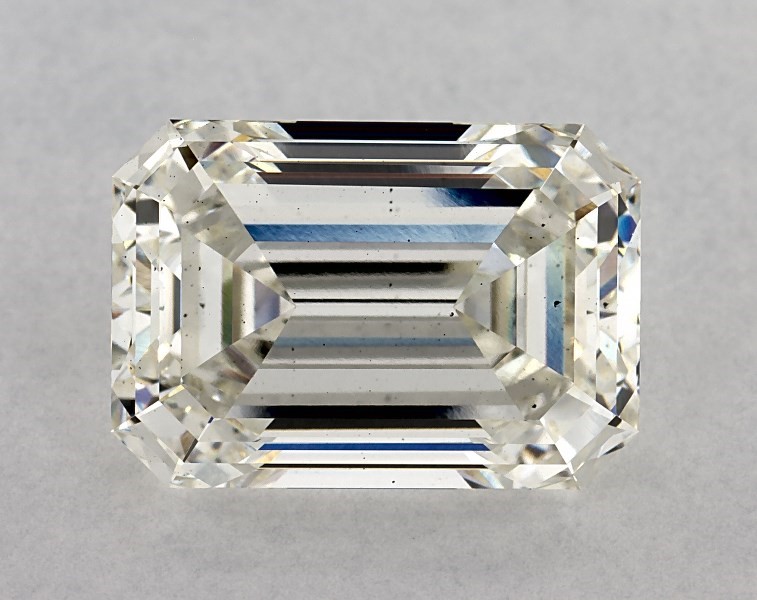
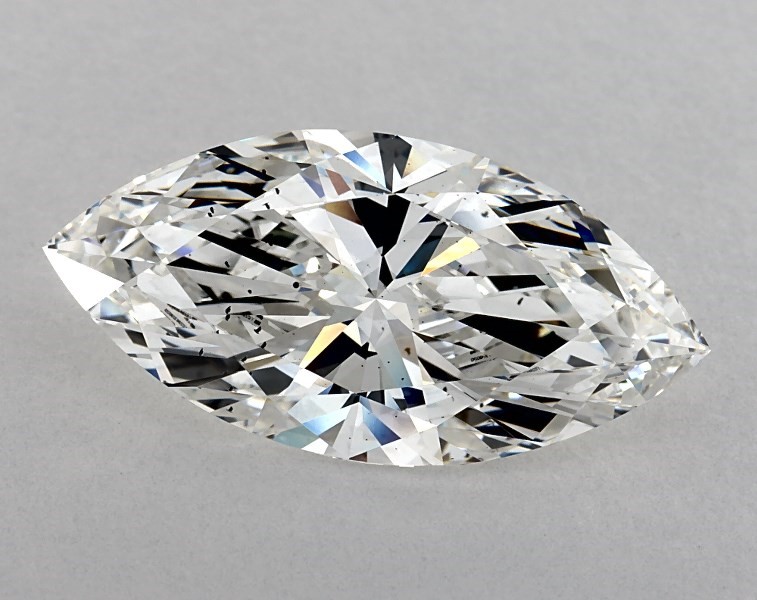
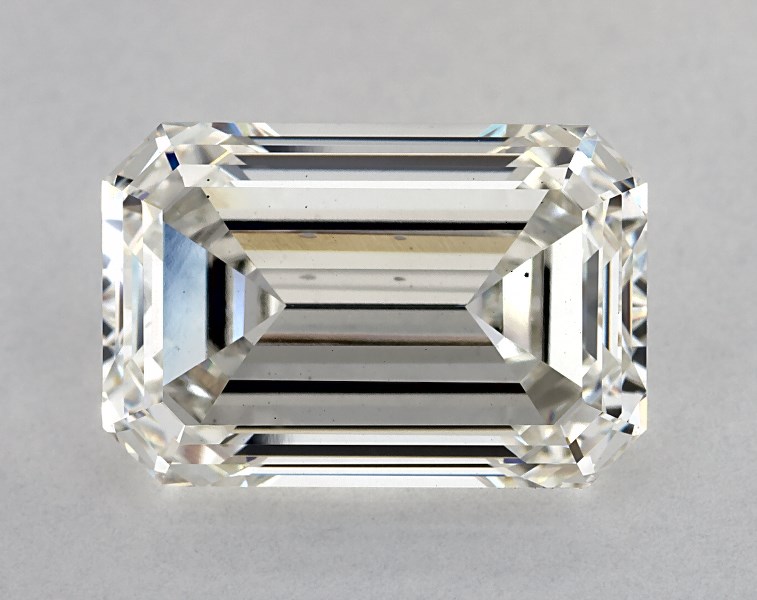
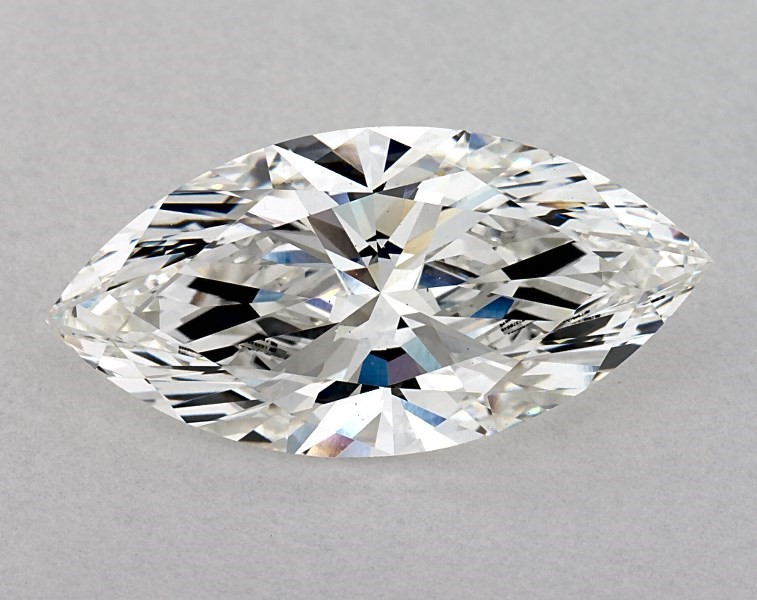
The largest available today
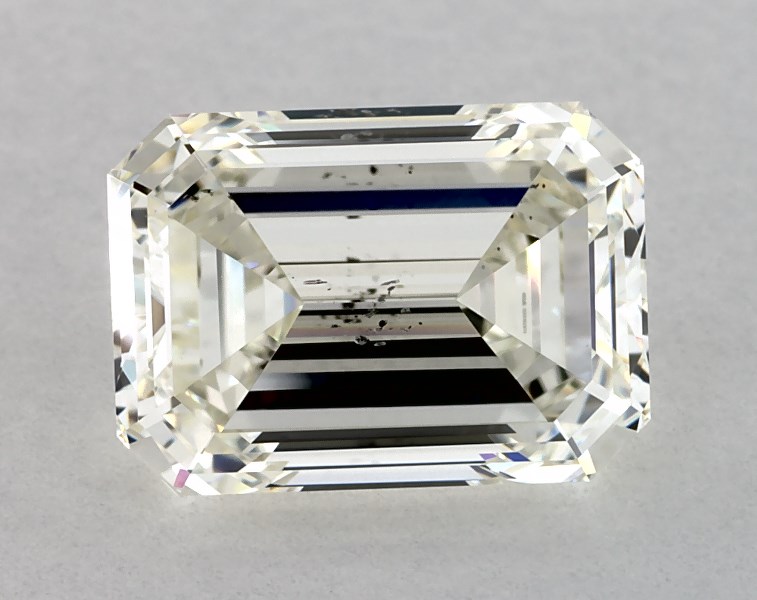
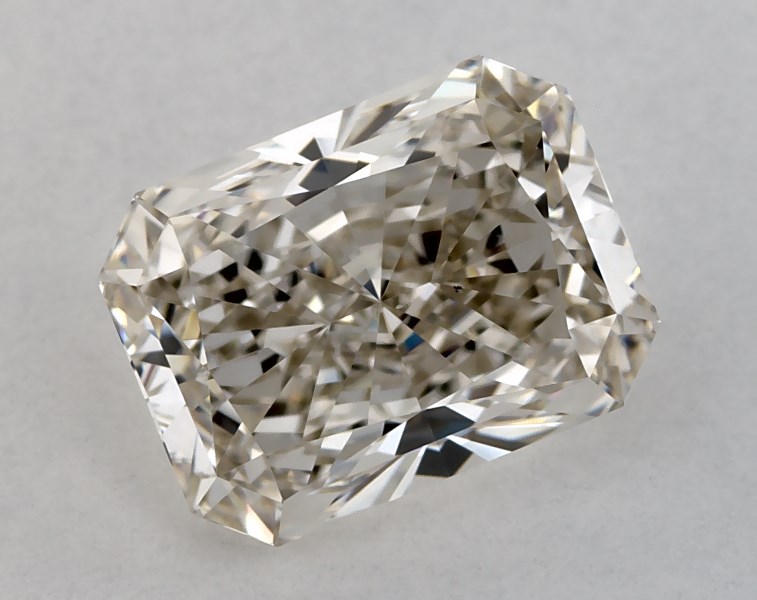
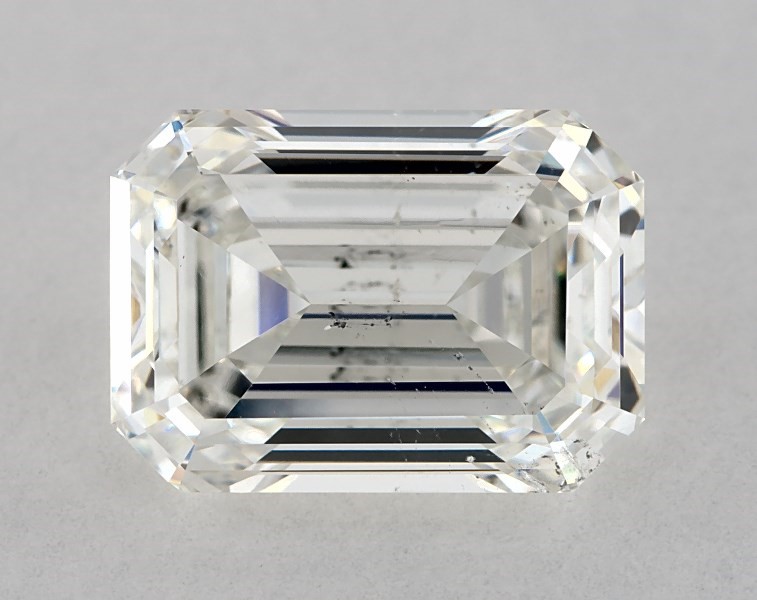
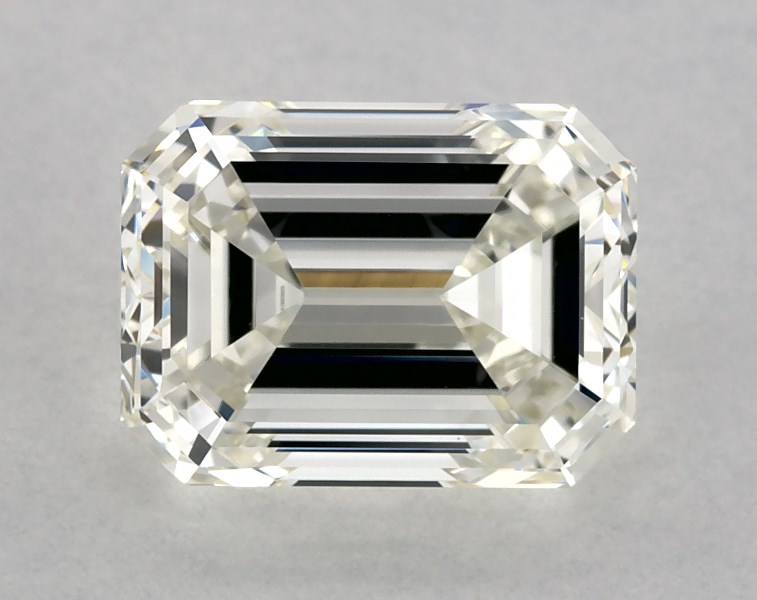
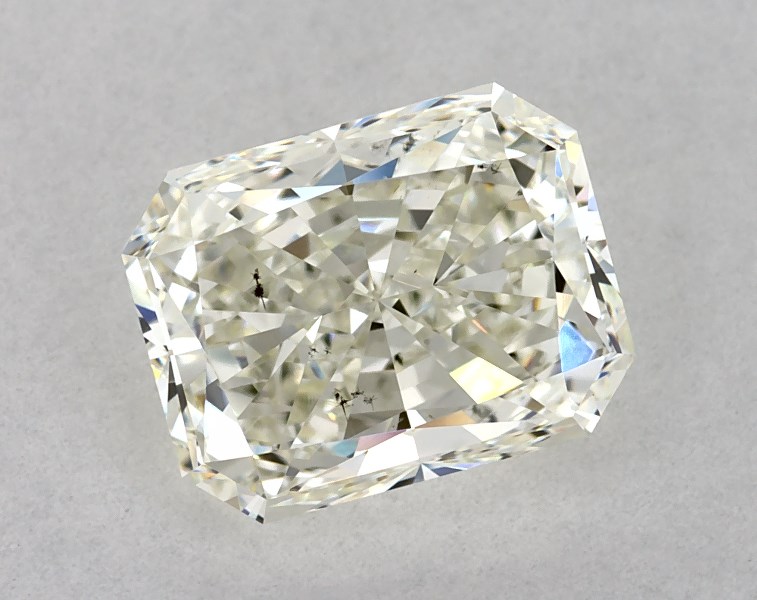
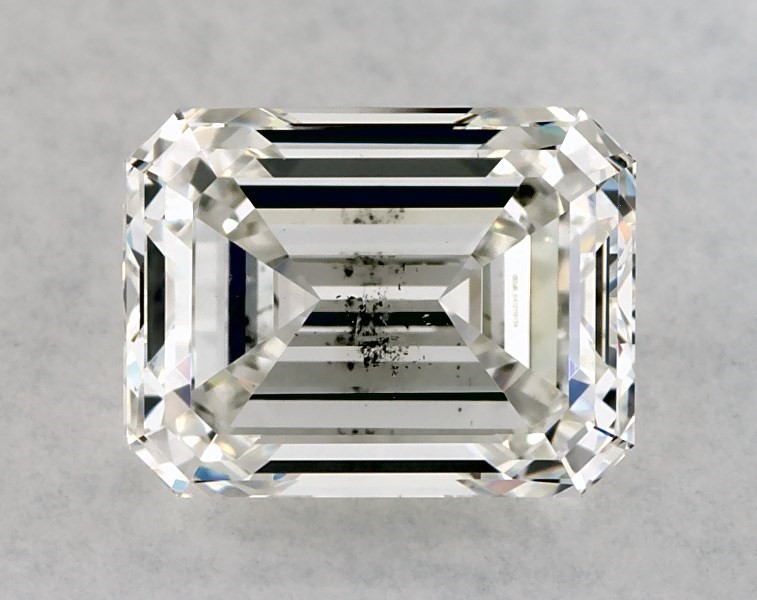
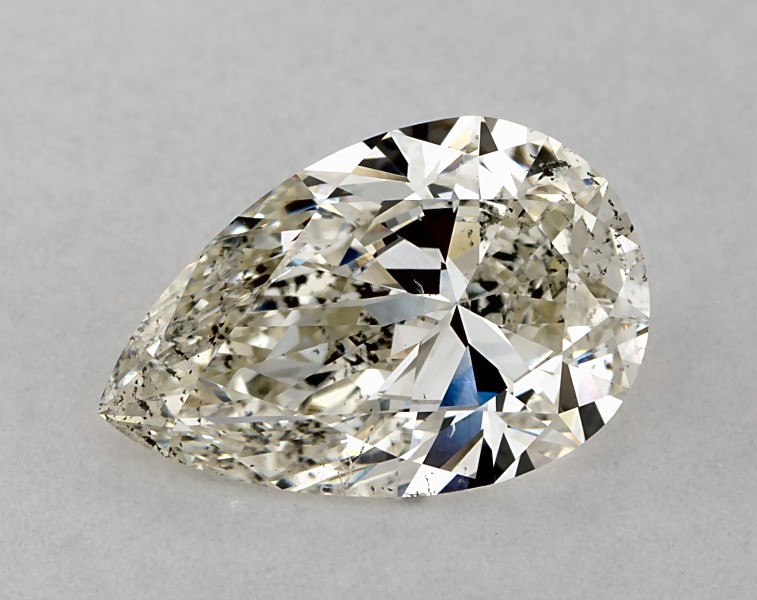
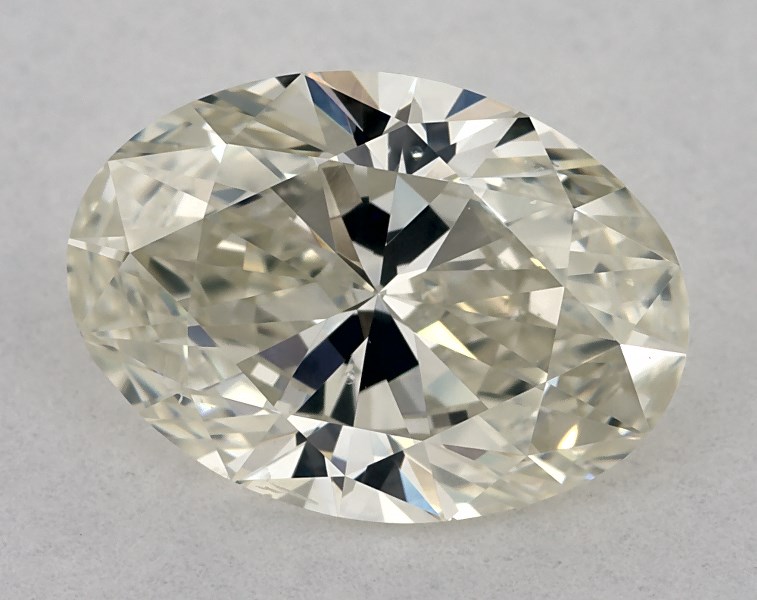
The biggest stones in this set, largest first - the largest 4 lab-grown and the largest 8 natural, so you can see what each type reaches at this budget. Prices are the retailer's current listing.
Prices and availability come from the retailer's live listing and change without notice.
We earn a commission if you buy through these links, which is
disclosed in full here and never affects which diamonds are shown or how they are ranked.
The honest answer is mostly lab-grown, and mostly elongated
At a fixed budget, the largest stones available are overwhelmingly lab-grown, and within that, the elongated shapes. This page includes both types and labels every listing, because quietly showing you a lab-grown stone in answer to a size question - without saying so - would be the wrong kind of helpful.
02
Shape is the free part of the size question
Ovals, marquises and pears spread their weight into a larger face-up outline than a round of identical carat. Choosing an elongated shape buys visible size at no extra cost, which is why this page is restricted to those five shapes rather than every shape in the market.
03
Where the size comes from
This page allows clarity down to SI2 and colour down to K. That is a deliberate trade: those are the grades where a stone can still be attractive while the price per carat drops sharply. It also means the individual photograph matters more than usual - some stones at these grades are excellent value and some are visibly included, and only the picture tells you which.
Questions people ask about this search
How much is the biggest diamond you can buy for $5,000?
The median listing price is $1,630 right now, across 53,875 matching diamonds in our tracked inventory. The lowest currently listed is $230. Every figure here is recomputed from live listings each time the page loads, so it will not match a screenshot taken last week.
How many are available right now?
53,875 listings match this search in our tracked inventory as of 14 October 2026. Of those, 36,521 are natural and 17,354 are lab-grown. Inventory changes continuously, so this number moves.
Are these natural or lab-grown diamonds?
Both. Of the 12 shown on this page, 8 are natural and 4 are lab-grown, and each card says which it is. We do not blend the two into a single average price: at the same carat weight and grades a lab-grown stone costs substantially less, so averaging them together produces a number that describes no diamond anyone actually buys.
How many carats can you get for $5,000?
It depends almost entirely on whether you will consider lab-grown and which shape you choose, which is why this page shows the actual answer from live inventory rather than a rule of thumb. Sorted largest first, the stones above are what $5,000 currently reaches. Natural stones at this budget land far lower in carat weight than lab-grown ones, and every listing is labelled so the comparison is visible rather than implied.
Is it better to buy a bigger diamond with lower grades?
It is a genuine trade, not a mistake, but it has a floor. Dropping colour toward K and clarity toward SI2 buys real size, and many stones at those grades look excellent. Some do not - a visible inclusion or an obvious warm tint is not a bargain at any size. The grades tell you where to look; the individual photograph tells you whether that particular stone survived the trade.