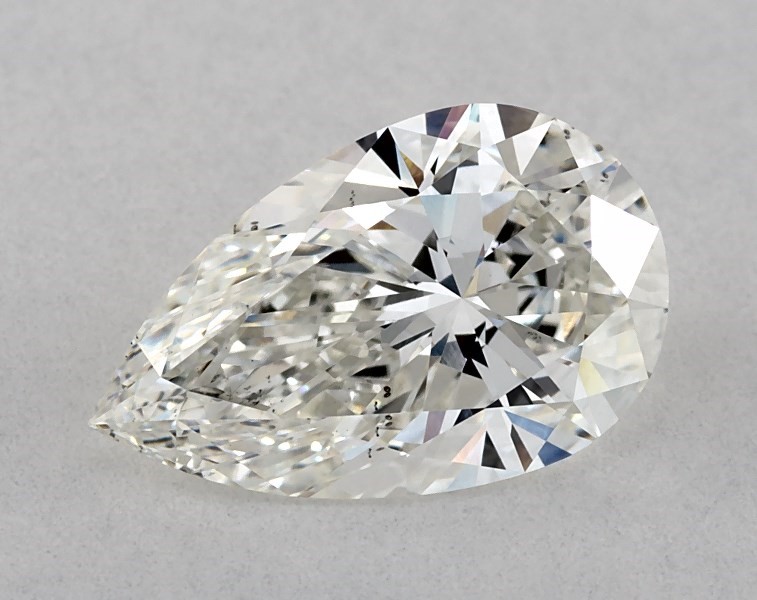
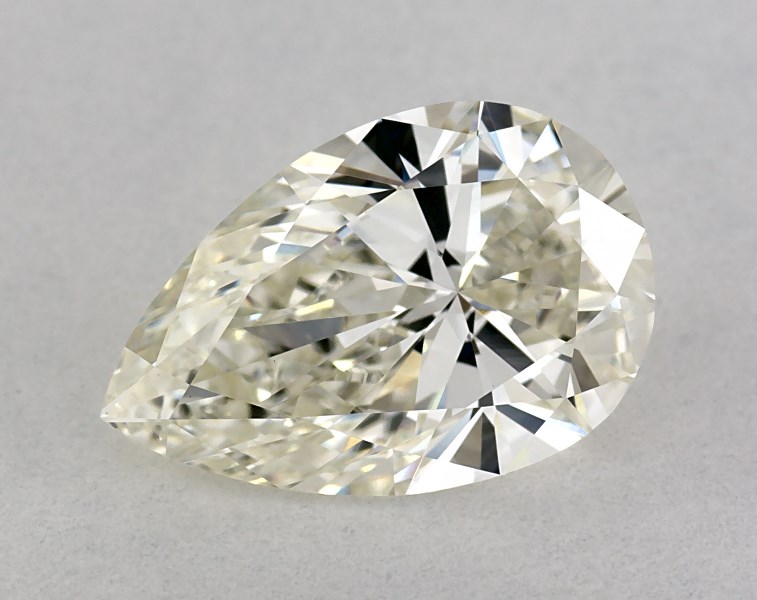
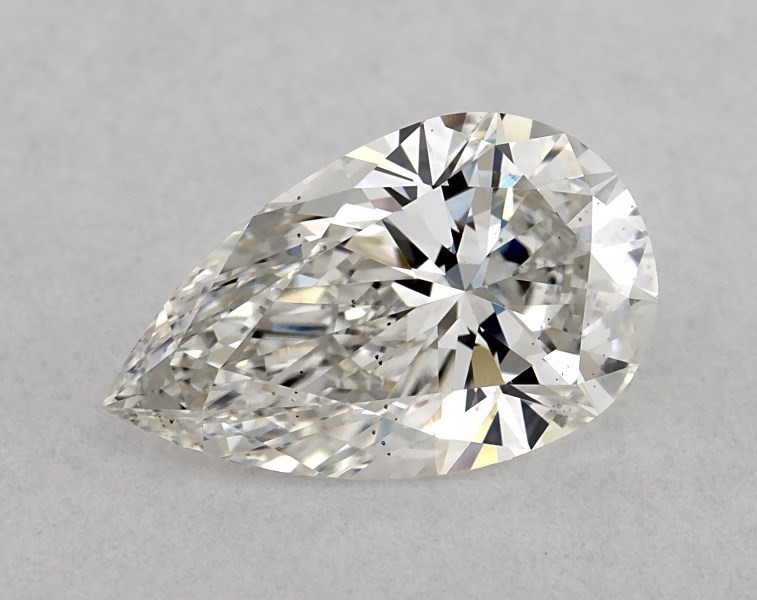
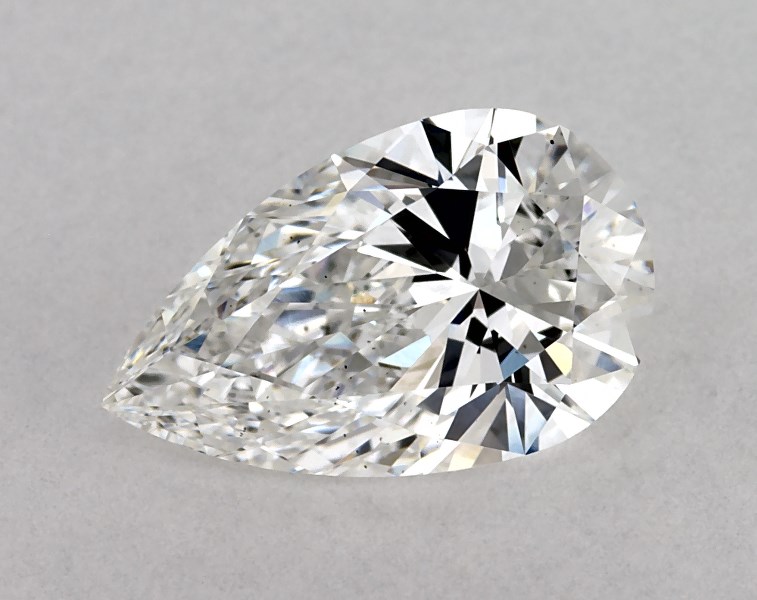
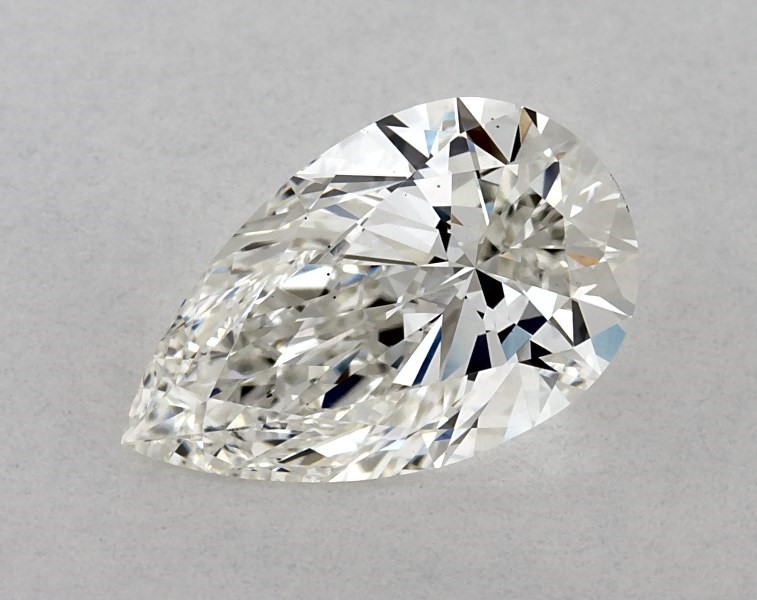
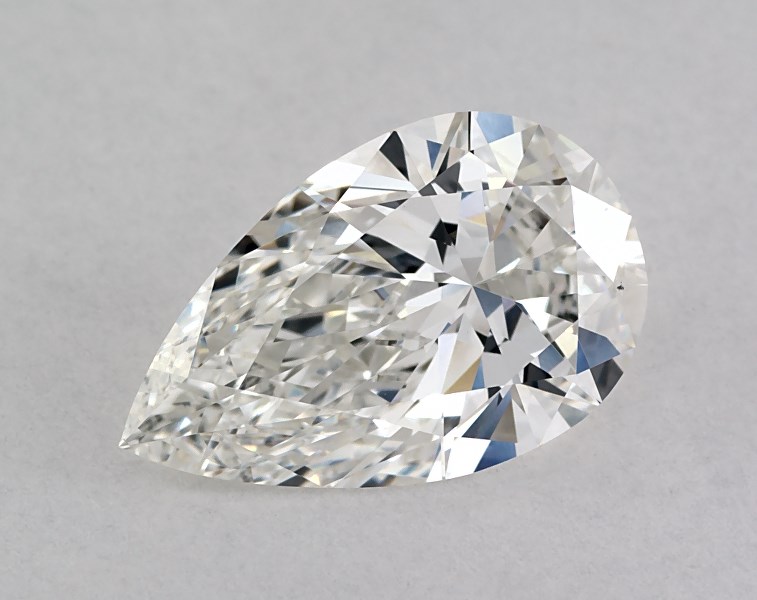
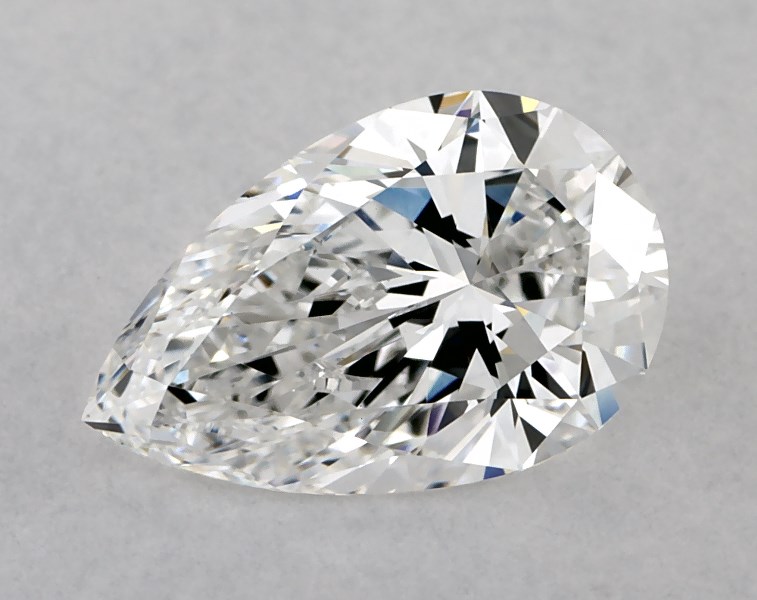
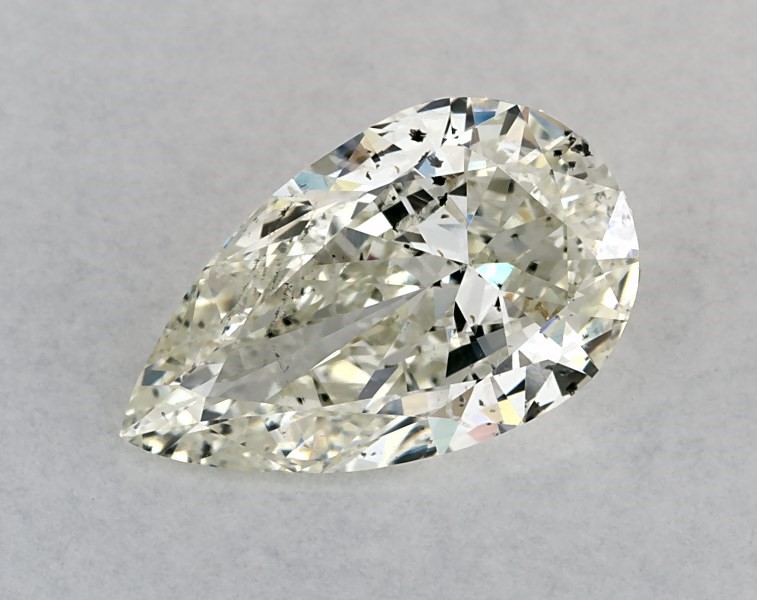
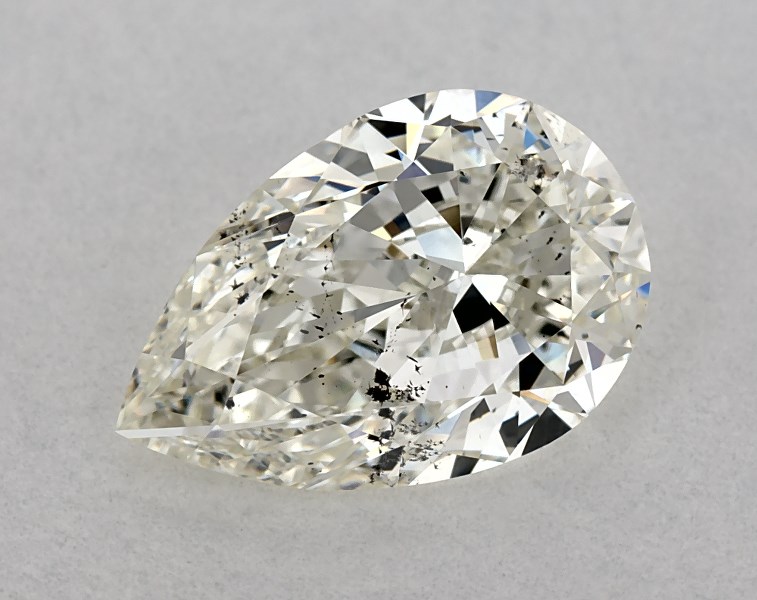
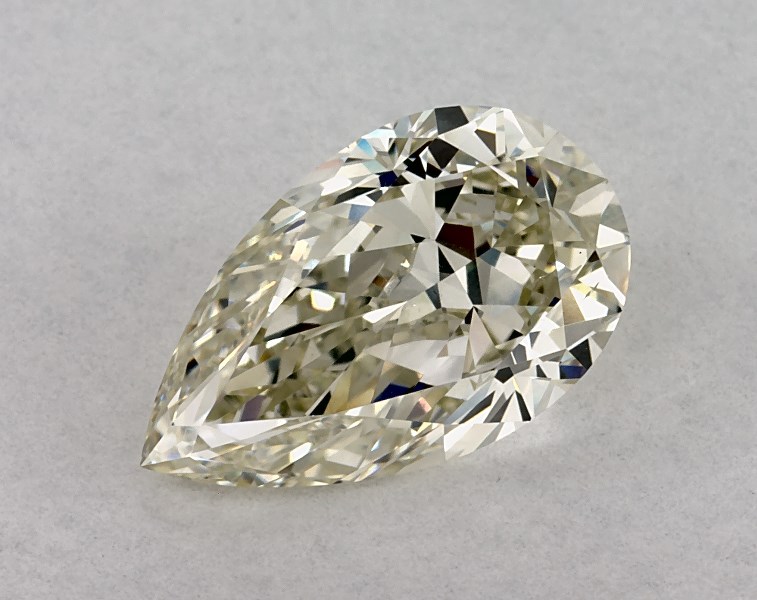
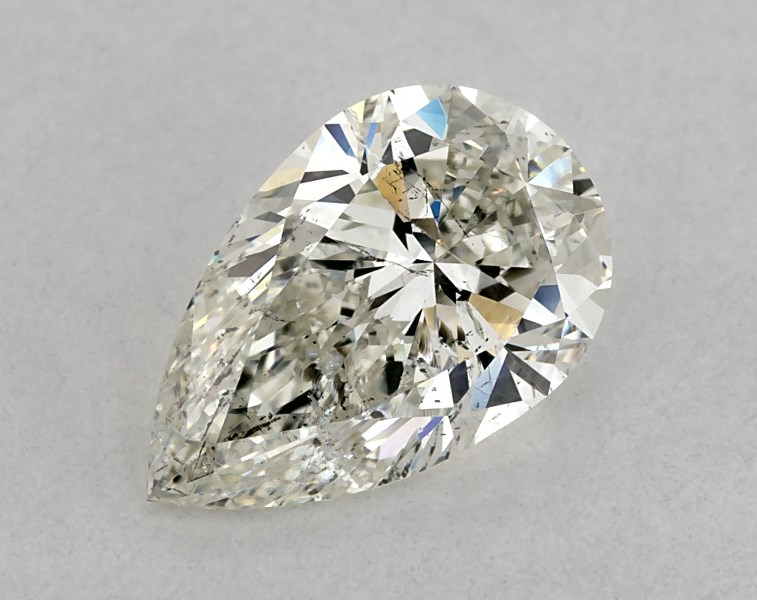
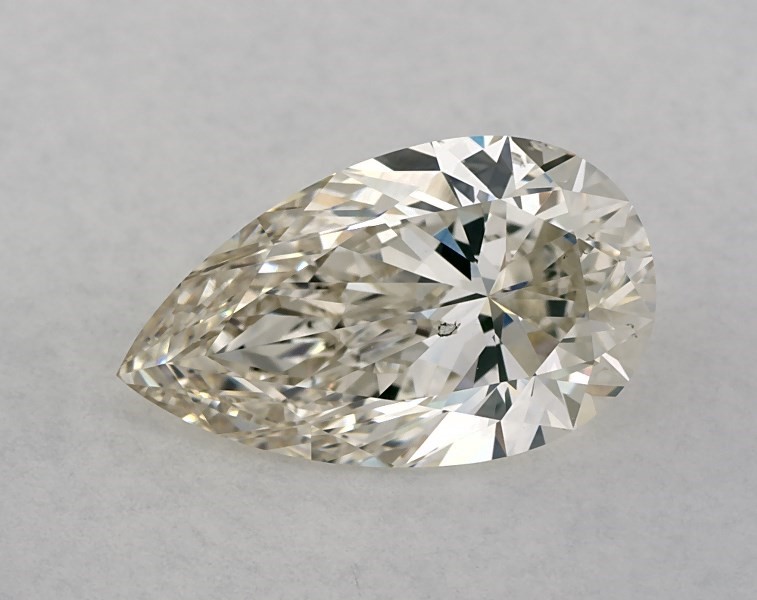
A pear at one and a half carats is a deliberately showy choice - the shape carries its weight along its length, so it wears larger than the number suggests. It is also the shape with the most variation between individual stones.
Most sell between$1,620–$7,060middle half of the market
Median price$2,750half cost less, half cost more
Computed from all 2,866 matching listings in our tracked inventory. The range is the 25th to 75th price percentile of that set, the same definition used across this site. Both types are included: 1,188 natural and 1,678 lab-grown. The 12 shown below are 5 natural and 7 lab-grown, each labelled.
Available right now
The 12 lowest-priced stones in this set - 5 natural and 7 lab-grown, drawn in proportion to what is actually available.
Prices and availability come from the retailer's live listing and change without notice.
We earn a commission if you buy through these links, which is
disclosed in full here and never affects which diamonds are shown or how they are ranked.
Two pears of the same weight can look nothing alike
Length-to-width ratio, shoulder shape and how the point is finished all vary, and none of them appear on a grading report as a quality score. This is the shape where the photograph is the specification. Every listing below links to its own images - use them.
02
Check the point, then check the setting
The tip of a pear is its most vulnerable feature and needs a prong covering it. If the setting you have in mind does not protect the point, that is a reason to change the setting, not the stone.
03
Watch the bow-tie
Like ovals and marquises, pears can show a dark band across the widest part of the stone. It is a cutting outcome, not a graded defect, so it is not in the certificate - it is only in the picture. A faint one is normal. A heavy one is a discount you should be receiving.
Questions people ask about this search
How much is a 1.5 carat pear shaped diamond?
The median listing price is $2,750 right now, across 2,866 matching diamonds in our tracked inventory. The middle half of the market sits between $1,620 and $7,060. The lowest currently listed is $720. Every figure here is recomputed from live listings each time the page loads, so it will not match a screenshot taken last week.
How many are available right now?
2,866 listings match this search in our tracked inventory as of 14 October 2026. Of those, 1,188 are natural and 1,678 are lab-grown. Inventory changes continuously, so this number moves.
Are these natural or lab-grown diamonds?
Both. Of the 12 shown on this page, 5 are natural and 7 are lab-grown, and each card says which it is. We do not blend the two into a single average price: at the same carat weight and grades a lab-grown stone costs substantially less, so averaging them together produces a number that describes no diamond anyone actually buys.
What length-to-width ratio is best for a pear?
There is no correct answer, and anyone who gives you one is stating a preference as a fact. Around 1.50 to 1.75 is the most commonly chosen range, but shorter pears read rounder and fuller while longer ones look more dramatic and more elongating on the hand. It will change the look of the stone far more than a single colour grade will, so it is worth deciding before you filter on anything else.
Do pear shaped diamonds chip easily?
The point is the vulnerable part, and it needs a prong covering it - that is a setting requirement, not a reason to avoid the shape. A properly protected pear is no more fragile in everyday wear than any other fancy shape. If a setting you like leaves the point exposed, change the setting.